Common Tongues
Common Tongues remediates practices and processes of reading, and addresses, critically, the commodification of reading itself, and the proprietary enclosure of a growing portion of our linguistic cultural commons.
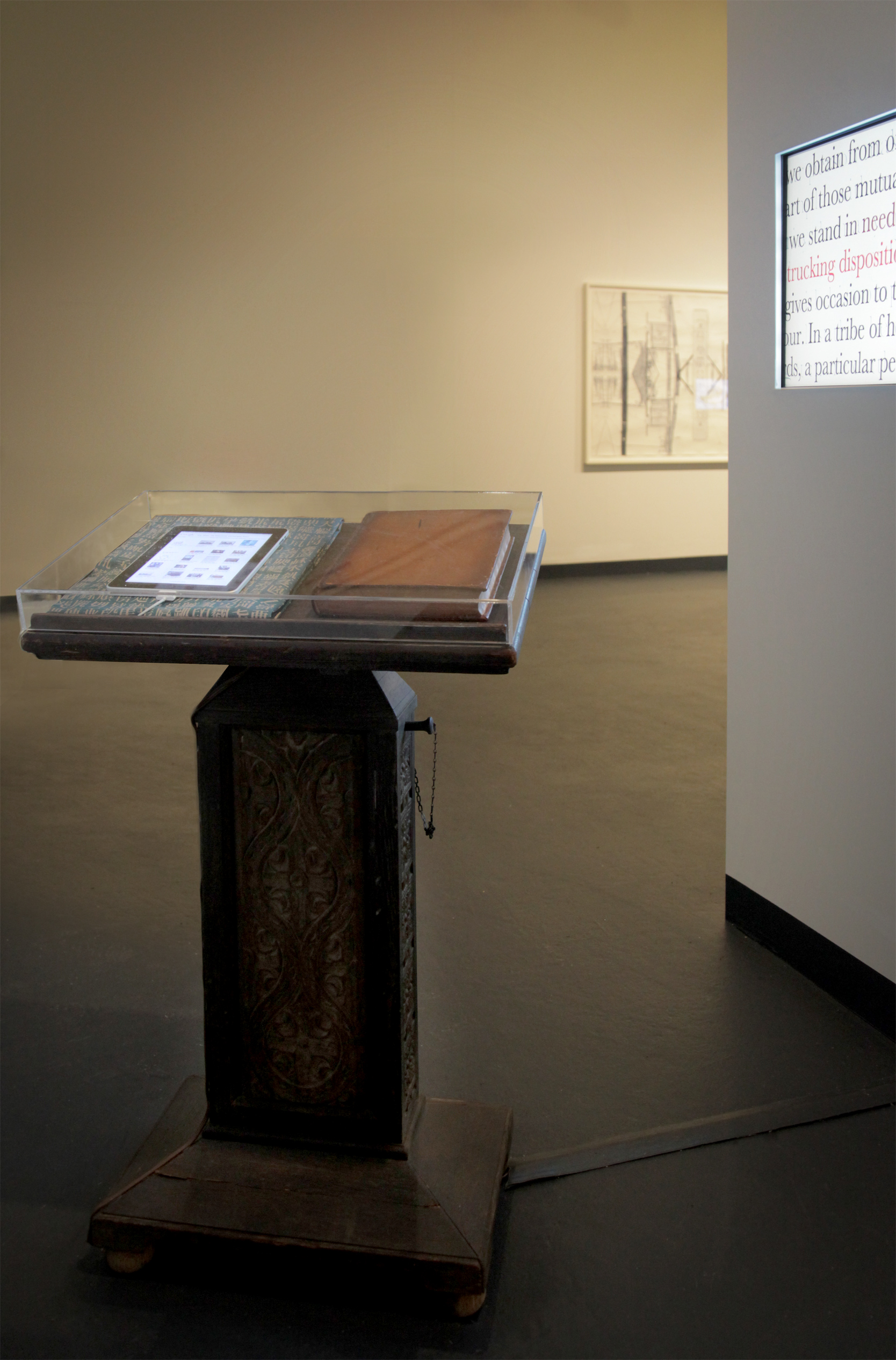
Common Tongues emerges from the artists’ collaboration on The Readers Project (http://thereadersproject.org). Processes that were developed in this framework and that are based, in part, on previous manifestations of the Project are applied to a reading of Samuel Beckett’s How It Is and used to generate new poetic texts, remediating social reading.
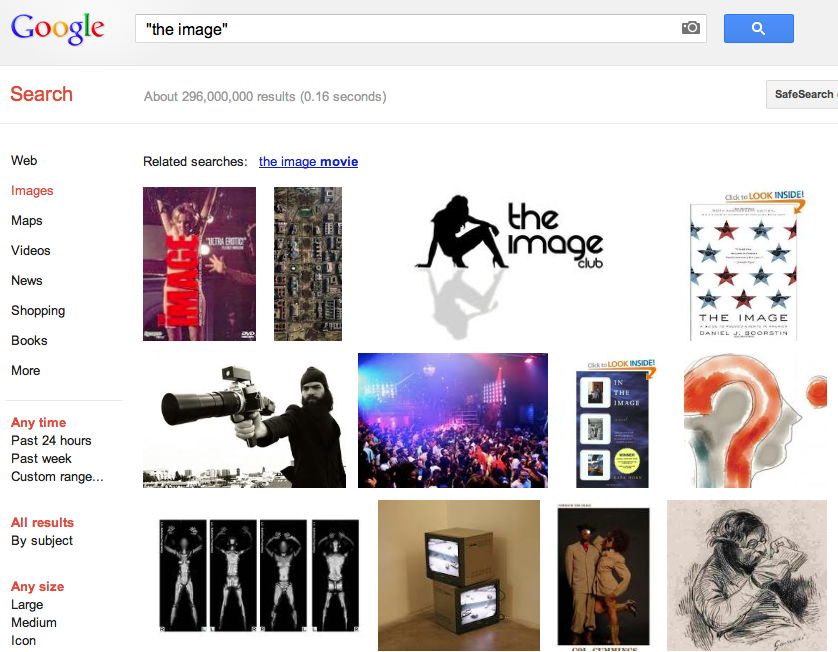
The traces and consequences of others’ readings are accessible to us over the internet and, more recently, through networked ebook readers. The indexing and statistical analysis of everything that has been inscribed into the realm of big data allows us to search and retrieve textual fragments from a vast, increasingly comprehensive literary and linguistic corpus in arrangements that are first ‘read’ by algorithmic and statistical models and then offered up to us in finely composed—and often illustrated, multimediated—pages that precede and predetermine any further or deeper ‘human’ reading. Perhaps this is how we are now inclined to read, as our relationship with language and language-making changes fundamentally? Is the algorithmically composed reading ‘social’ or ‘posthuman’? Is our subsequent ‘deep’ reading a solipsistic throwback? For works that have been written by human individuals, questions of ownership, copyright and integrity are raised continually in entirely new, if instantly commonplace, situations.
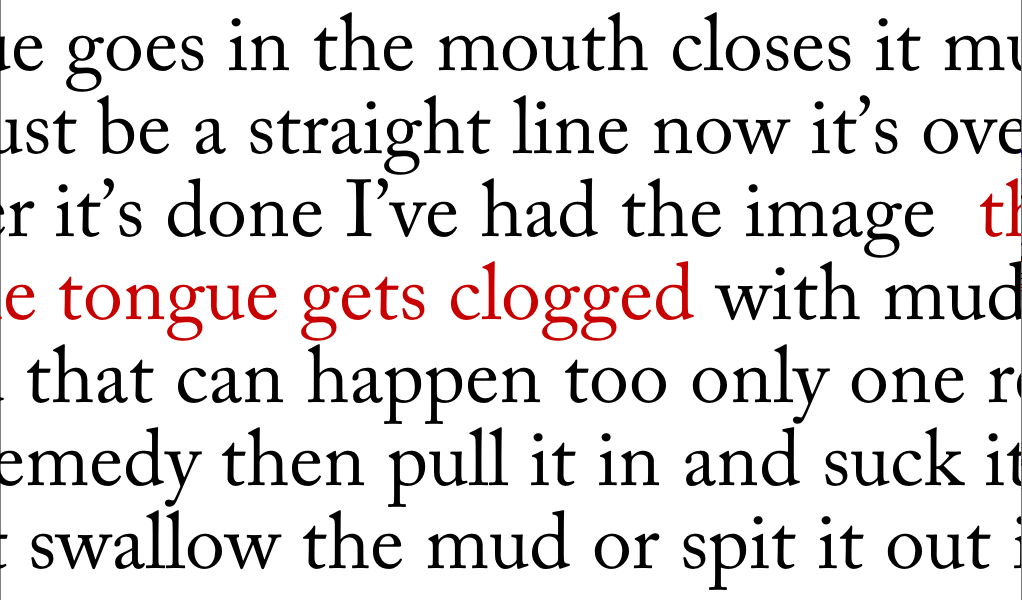
The example of a closely associated process—developed earlier, quoted from a paper by one of the artists’, and as applied to a short extract from Beckett’s text—may provide an illustration: “blue and white of sky” “a moment still” “April morning in the” “mud it’s over” “it’s done I’ve had the” “image the scene is” “empty a few” “animals still then” “goes out no more” “blue I stay” “there way off on” “the right in the mud” “the hand opens and closes” “that helps me it’s” “going let it go I” “realize I’m still smiling” “there’s no sense in that now" “been none for a long time now” “my tongue comes out” “again lolls” “in the mud i stay” “there no more” “thirst the tongue” “goes in the mouth” “closes it must be a” “straight line now it’s” “over it’s done I’ve had” “the image”
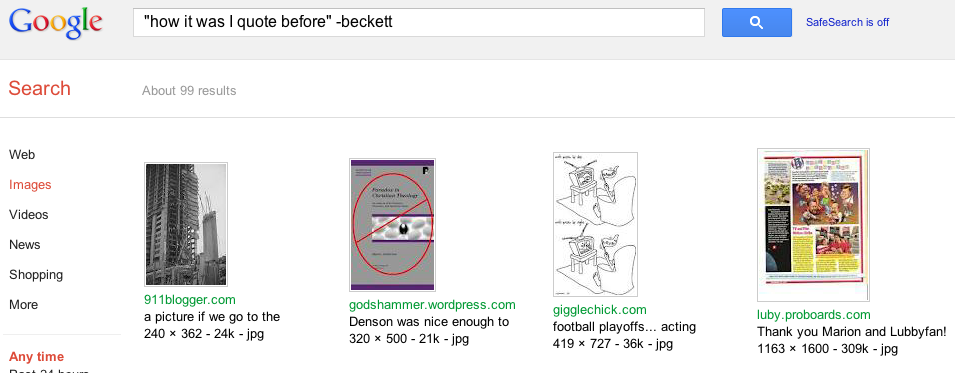
These words comprise three fragments from How It Is and they also correspond to the final part of a short prose work which Beckett originally published in French as L’Image. But this is not Beckett. Each quoted phrase represents a maximal syntagmatic association with Beckett’s text, while a Google search has been undertaken to ensure that these word sequences are attributable to others, often many others. We have established these attributions with cited URLs. (For details and full citations, see: Cayley, John. ‘Writing to Be Found and Writing Readers.’ Digital Humanities Quarterly 5.3 (2011): http://digitalhumanities.org/dhq/vol/5/3/000104/000104.html)
Quote from the process-generated text, heard in the installation as a spoken performance: My tongue comes out and touches her face. The lonely neonate screams again into the merciless ears, ... lolls in the nucleus of every decomposing metropolis. When I slip in the mud the sky opens up. Should I stay or should I go? I just stood there gazing. If we drink, we shall no more thirst; the dead need life. This man appears a good man for us, and his tongue goes in the right direction. If her mouth closes it must be because of his kisses. And a man's, which should be a straight line, meets hers at the return from each of these deviations. “It's over now. It's over. It's over.” It's done. I've told you what happened. I don't want to think about it. How can we compare an idea with an image, if it were one being who had the idea and another who had the image?